Recycling and Sustainability with Gardeners Old Ford
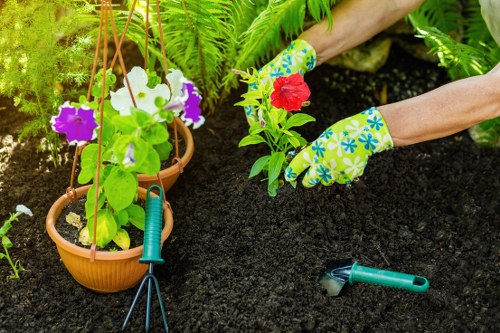 Gardeners Old Ford places recycling and sustainability at the centre of its day-to-day gardening service, helping local spaces stay productive, tidy, and environmentally responsible. In an area where households, estates, and green spaces all sit close together, the way waste is handled matters. Our approach to gardeners old ford work is built around practical reuse, careful sorting, and a clear recycling percentage target that keeps us focused on measurable improvement. We aim to divert at least 85% of green waste and reusable materials away from landfill, using composting, mulch recovery, and responsible disposal methods whenever possible.
For us, sustainability is not an extra feature; it is part of how modern garden maintenance should operate. In the Old Ford area and across nearby boroughs, waste separation is increasingly important because local collection systems often distinguish between green waste, mixed recyclables, and general rubbish. Our team supports this mindset by separating cuttings, branches, soil, and packaging at source, making it easier for material to be processed correctly. This helps reduce contamination and makes a real difference in how efficiently waste can be recycled or reused.
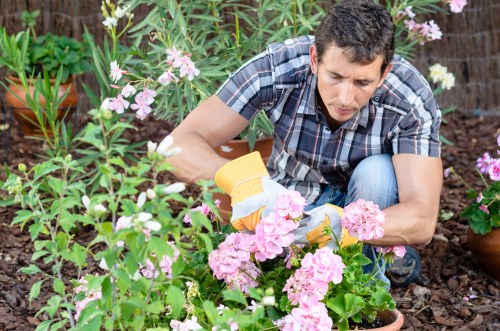 A major part of our sustainability practice is the use of local transfer stations and recycling facilities. By working with nearby sites, Gardeners Old Ford shortens journeys, lowers emissions, and ensures garden waste is handled through the most appropriate local route. Green material can then be chipped, composted, or sorted for recovery rather than moved long distances. Where suitable, we prioritise facilities that support soil improvement products and biomass processing, contributing to a circular approach that benefits both the environment and local landscaping projects.
Our recycling effort also includes the careful handling of materials gathered during pruning, clearance, and seasonal maintenance. Branches can be chipped into mulch for beds and borders, while healthy leaves and grass clippings are sent for composting where appropriate. Even small items matter: plant pots, soft ties, cardboard, and certain metal fixings are separated so they can be processed instead of discarded with mixed waste. In boroughs that encourage detailed waste separation, this method fits well with wider environmental objectives and helps reduce avoidable disposal costs.
Partnerships with charities are another important element of the Gardeners Old Ford sustainability strategy. Usable garden furniture, surplus containers, hand tools, and some decorative items may be diverted to local charity partners or community groups when they remain in good condition. This supports reuse over replacement and helps extend the life of materials that would otherwise be thrown away. We also recognise that community gardens and local environmental projects can benefit from repurposed materials, creating a practical link between professional gardening and social value.
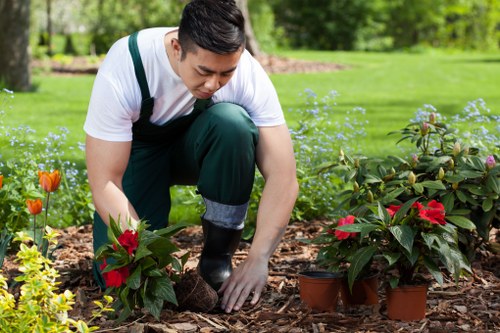 These partnerships reflect a broader commitment to responsible service. We understand that a sustainable gardening business should do more than manage green waste; it should also look for opportunities to reduce consumption and support local initiatives. By passing suitable items on to charities, we help reduce pressure on disposal streams while contributing to projects that may be improving public spaces, supporting vulnerable residents, or encouraging urban growing. This is one reason why our recycling-focused gardening approach continues to evolve alongside local needs.
Transport is another area where sustainability makes a measurable difference, which is why we use low-carbon vans across much of our operational work. These vehicles are chosen to reduce fuel use and emissions compared with older fleets, especially when making repeated local journeys between properties, transfer stations, and supply points. A cleaner fleet supports our recycling process too, because shorter and more efficient trips mean waste can be moved promptly without adding unnecessary carbon output. For clients seeking a greener garden maintenance and recycling service, this operational detail matters.
In practice, the combination of low-carbon vans and local processing means we can keep the environmental footprint of each job as low as possible. That is especially relevant in built-up parts of the borough, where traffic, access restrictions, and space limitations can complicate waste removal. By planning collections carefully and separating materials before loading, we reduce delays and avoid mixed loads that are harder to recycle. This is one of the reasons our Old Ford gardening recycling process remains efficient from start to finish.
We also think carefully about the seasonal nature of garden waste. Autumn leaf fall, spring pruning, and summer cutbacks each create different waste streams, and each requires a slightly different handling method. Leaves can be composted, woody growth can be chipped, and overgrown herbaceous material can often be blended into green waste collections. This flexible system supports a cleaner local environment and aligns with the approach taken by many boroughs, where separating organic waste from general rubbish is increasingly encouraged.
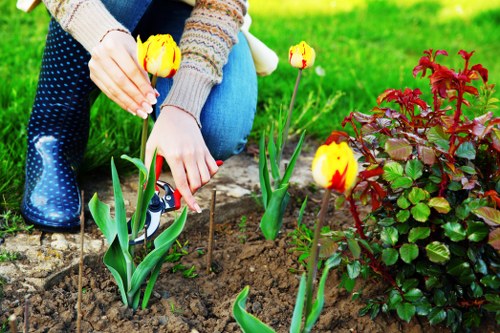 A sustainable gardening service must also be honest about what cannot be reused. Diseased plants, contaminated soil, and mixed debris sometimes need specialist disposal routes to prevent spread and maintain site hygiene. Gardeners Old Ford treats this responsibly by identifying such materials early and ensuring they are kept out of compostable streams. This protects future planting schemes and supports better recycling outcomes for everything else. It is a practical balance between ambition and care, which is essential in urban gardening environments.
Our recycling and sustainability approach is designed to support homes, communal gardens, and managed grounds alike. It is not only about waste management but also about improving the overall resource efficiency of gardening work. Using compost where possible, reducing packaging, selecting durable tools, and choosing low-emission transport all contribute to the same objective: a greener service with less waste. We aim to make responsible practices feel normal, not exceptional.
 Gardeners Old Ford continues to develop its sustainability standards with a clear focus on recycling, reuse, and low-carbon operation. By keeping a high recycling percentage target, working through local transfer stations, supporting charity partnerships, and running low-carbon vans, we create a service that matches modern environmental expectations. For areas where boroughs place increasing emphasis on waste separation and cleaner material streams, this approach helps gardening remain both effective and environmentally sound.