Health and Safety Policy for Gardeners Old Ford
 This health and safety policy sets out the standards expected when carrying out gardening work in Old Ford. It applies to all routine and specialist activities, from planting and pruning to lawn care, hedge trimming, soil movement, and the use of powered equipment. The aim is to protect workers, clients, visitors, and the wider public by reducing risks before work begins and by maintaining safe working practices throughout each task.
Gardeners Old Ford recognises that every outdoor site presents different hazards. Slippery surfaces, uneven ground, hidden waste, moving machinery, sharp tools, pollen, dust, and manual handling all require careful control. Our gardening safety policy is designed to make sure each job is assessed properly, planned responsibly, and completed with due regard for health, welfare, and environmental conditions. Safe work is effective work.
 All personnel involved in garden maintenance are expected to follow this policy at all times. This includes using equipment correctly, wearing suitable personal protective equipment, reporting defects immediately, and stopping work if conditions become unsafe. No task is so urgent that it should be performed without adequate controls in place.
 Before any work starts, a basic site assessment must be completed. This should identify obvious hazards such as trip risks, overhead obstructions, animal mess, broken paving, unstable structures, and exposure to traffic or pedestrians. Where needed, work areas should be sectioned off to prevent unnecessary access. A well-managed gardeners safety policy depends on clear preparation and constant awareness of changing conditions.
Tools and machinery must be selected for the task and kept in good condition. Blades should be sharp and securely fitted, cables should be inspected for damage, and petrol or battery-powered equipment must be stored and used according to manufacturer instructions. Operators must be competent, alert, and not under the influence of alcohol, drugs, or fatigue. When using louder machinery, hearing protection may be required; when handling debris or compost, gloves and eye protection may be necessary.
Manual handling is a significant concern in gardening work. Lifting bags of soil, moving planters, carrying stones, and shifting waste can cause strain if done incorrectly. Workers should assess weight, shape, and distance before lifting, and use team lifting or mechanical aids where appropriate. Safe lifting techniques and regular breaks help reduce injury and support long-term wellbeing.
Health risks must also be considered. Exposure to allergens, insect stings, dust, mould, and chemicals can affect breathing and skin condition. Products such as fertilisers, weed treatments, and cleaning agents should be stored safely, used sparingly, and kept out of reach of unauthorised persons. Labels and instructions must be followed precisely, and suitable handwashing facilities or cleansing materials should be available after use. Where necessary, respiratory protection, gloves, or eye protection should be worn.
Weather can create additional risks for a gardening health and safety policy. Hot conditions may lead to dehydration, sunburn, or heat exhaustion, while cold, wet, or windy weather can increase the chance of slips, reduced concentration, or equipment instability. Work schedules should be adjusted when conditions are poor, and staff should be encouraged to take suitable rest, hydrate regularly, and dress appropriately for the task and season.
Training and supervision are essential to maintaining standards. Every worker should understand the correct use of tools, the purpose of protective clothing, emergency procedures, and the importance of hazard reporting. New or less experienced staff should not be left to carry out unfamiliar work without guidance. A strong culture of accountability helps ensure that garden maintenance safety remains consistent across all jobs.
 Emergency arrangements must be clear and practical. First-aid supplies should be available, and at least one person on site should understand how to respond to common gardening injuries such as cuts, strains, sprains, bites, or eye irritation. If a serious incident occurs, work must stop immediately and the area secured. Unsafe tools or conditions must be isolated until they have been checked and made safe.
Accidents, near misses, and equipment failures should be recorded and reviewed so that improvements can be made. This helps identify patterns, reinforce good habits, and prevent repeat incidents. The policy should be updated whenever procedures change, new equipment is introduced, or lessons from incidents suggest a better control measure. Risk management is a continuing responsibility rather than a one-time exercise.
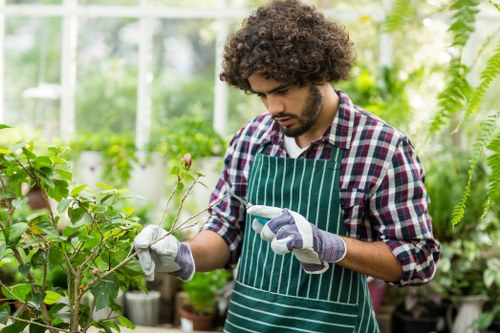 In summary, Gardeners Old Ford is committed to maintaining a safe, professional, and responsible working environment across all gardening tasks. By combining careful planning, correct equipment use, suitable protection, and regular supervision, we reduce the likelihood of harm and support high-quality service delivery. Everyone involved is expected to treat health and safety as a core part of the job, not an optional extra.