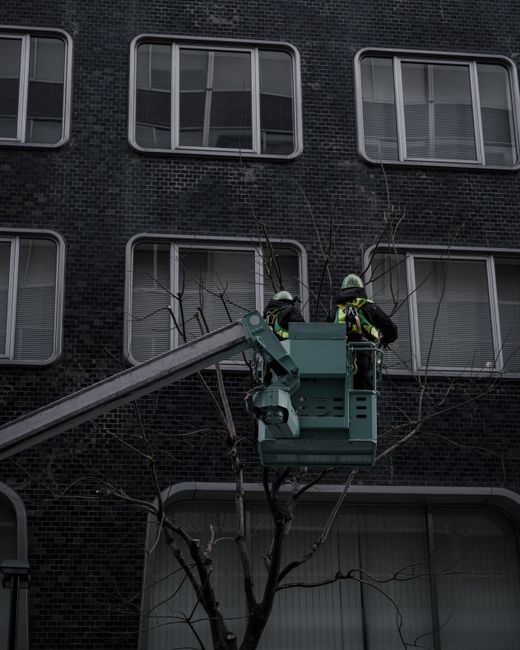
Gardeners for hard access jobs on Old Ford estates
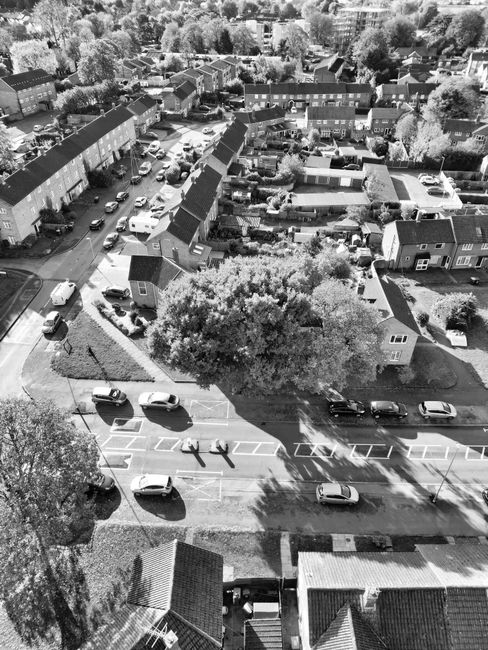
Some garden jobs look simple from the street and then turn out to be anything but. A narrow passage, a rear garden tucked behind old estate layouts, shared access, uneven steps, awkward bin routes, no parking close by, or a lift that is always being repaired. That is exactly where Gardeners for hard access jobs on Old Ford estates become worth their weight in gold. The work still needs doing, but it needs doing carefully, with the right kit, the right plan, and a bit of patience.
If you live on an estate in Old Ford, you probably already know the drill: deliveries are awkward, tools need carrying further than expected, and even a basic tidy-up can become a small logistical puzzle. The good news? These jobs are very manageable when the work is scoped properly. In this guide, we'll break down how hard access gardening works, what to expect, what to avoid, and how to get reliable results without damaging paths, planting, or shared spaces.
For a fuller view of the services that often sit behind this kind of work, you may also find gardening services useful alongside this article, especially if your job stretches beyond a quick tidy and into ongoing maintenance.
Why Gardeners for hard access jobs on Old Ford estates Matters
Hard access isn't just an inconvenience. It changes the whole shape of the job. If a gardener has to carry a mower through a tight side gate, navigate communal walkways, or work around upstairs flats with shared courtyards, then the job becomes more time-sensitive, more physically demanding, and more likely to affect neighbours if it is not handled well.
On Old Ford estates, that matters even more because many outdoor spaces were not designed with large equipment in mind. You might have small rear gardens, clipped access routes, raised thresholds, narrow stairwells, or delicate communal planting nearby. A standard "turn up and start" approach can easily lead to scuffed paving, trampled borders, or work that simply takes twice as long. Let's face it, nobody wants a tidy-up to finish with a broken panel or a pile of cuttings left in the wrong place.
There is also the human side. Some residents need work completed at specific times because of children's routines, shift work, pets, or building rules. A good hard access gardener understands that the job is partly horticultural and partly logistical. That mix is the difference between a stressful visit and a smooth one.
Expert takeaway: hard access gardening is not about "making do"; it is about planning a difficult site properly so the result looks neat, stays safe, and causes minimal disruption.
If access issues are affecting boundaries or overgrowth, the broader hedge trimming Old Ford page is a useful companion, because hedges and screening plants often create the tightest working conditions in the first place.
How Gardeners for hard access jobs on Old Ford estates Works
The process usually starts before anyone sets foot in the garden. On a hard access site, the planning matters almost as much as the pruning, mowing, or clearing itself. A sensible visit begins with a few basic questions: Where can equipment be brought in? Is there a service entrance or only a front path? Are there stairs, coded gates, or shared hallways? Can waste be removed in sacks, or does it need to be loaded to a distant collection point?
From there, the work is adapted. Smaller tools may replace bulkier machines. Cuttings may be bagged in stages rather than collected at the end. In some cases, the gardener will work top-down, front-to-back, or section-by-section to keep pathways clear. It sounds obvious, but in a narrow estate setting, sequence really matters.
Common hard access tasks include:
- overgrown garden clearances where waste must be moved manually
- hedge cutting and shrub shaping in tight courtyards
- lawn care when a standard mower will not fit through access points
- patio cleaning where water management and trip hazards need care
- small-scale landscaping in enclosed or awkward plots
- tree work where branches must be lowered safely rather than dropped
A lot of the job comes down to setup. Good gardeners will often reduce the number of trips needed through the property, protect surfaces before work begins, and keep an eye on how mud, clippings, or debris might spread. If you have ever watched a tidy garden become messy again because nobody thought about the exit route, you will know why this is so important.
For seasonal preparation, it is worth pairing this approach with preparing garden plants for winter and, where wind exposure is a problem, garden stability solutions for wind interference. Those issues often show up more sharply on estates where buildings create gusty corridors.
Key Benefits and Practical Advantages
There are some very obvious benefits to using a gardener who is comfortable with awkward access, but the less obvious ones matter too.
- Less disruption: careful planning means fewer repeated trips through shared spaces.
- Better protection for surfaces: steps, paving, railings, and entry points stay in better condition.
- More realistic scheduling: hard access work is usually timed with the route, not just the task list, in mind.
- Cleaner finish: waste is removed in a controlled way instead of dragged through the property in a hurry.
- Safer working: tool choice and movement patterns are adjusted to reduce trip and carry risks.
- More consistent results: the garden gets proper attention rather than a rushed "best effort" visit.
There is also a value point. A site that is hard to reach often gets neglected simply because the job feels like too much hassle. Over time, that can lead to weed build-up, hedge overgrowth, blocked drainage, or even damage to fencing and planting beds. Once a neglected area starts to dominate the day-to-day view, it can make the whole estate feel less cared for. That's a shame, because these spaces can be genuinely pleasant when maintained well.
If you want lower ongoing effort, the advice in cost-effective gardening tips for low maintenance and ground cover varieties for UK gardens can help you think longer term. Sometimes the smartest fix is not more work, but the right planting choices.
Who This Is For and When It Makes Sense
This kind of service makes sense for a lot of different people, and not all of them are looking for the same thing.
You may need hard access gardening if you are:
- a homeowner with a narrow side access or rear-only entry
- a leaseholder on an estate with shared corridors or limited gate widths
- a landlord trying to restore a neglected plot between tenancies
- a resident who can manage the garden day to day but cannot handle bulky clearance work
- someone with mobility limits who needs the space made safer and easier to use
- a family wanting a child-safe, tidy outdoor area without a major upheaval
It also makes sense when a garden has become physically awkward to manage. Maybe ivy has taken hold, the hedge has outgrown the access path, or the lawn edge is so tight that standard equipment just will not fit. In those cases, hard access expertise is not a luxury. It is the practical answer.
There are times when people delay because they think the job is "too small" or "too complicated" to bother with. Truth be told, that's usually when the work is most useful. A compact estate garden can go from manageable to messy quite quickly if access issues are left to build up.
For families and pet owners, related reads like developing a kid-safe and stimulating garden environment and growing a dog-friendly backyard escape are especially handy if your hard access garden also needs to be safe and practical for everyday life.
Step-by-Step Guidance
If you are arranging this type of work for the first time, here is the clearest way to think about it.
- Describe the access accurately. Mention gates, alleys, staircases, shared walkways, parking limits, bins, and any locked or timed entry points.
- List the main jobs. Be specific. "Tidy up" can mean anything from weeding to hedge reduction to full clearance.
- Share any restrictions. Neighbours, pets, quiet hours, building rules, and fragile surfaces all matter.
- Ask how waste will be removed. This is often the detail people forget, and it can shape the whole visit.
- Confirm the tool plan. Smaller equipment, hand tools, and modular waste removal may be the right fit.
- Agree the sequence. The order of work matters when access is narrow. Good sequencing keeps routes clear.
- Check the finish standard. Ask what "done" looks like so there are no awkward assumptions at the end.
- Plan repeat visits if needed. Hard access gardens often improve fastest when they are tackled in stages.
A quick example: if a hedge run blocks a path, it may make sense to cut and clear that section first before moving on to border work. That keeps the route open and reduces the chance of anyone carrying waste through a freshly cleaned area. Simple, but effective.
Where structural planting is part of the issue, the article on hedge trimming techniques and designs can help you understand how a neat cut can also improve access. Sometimes a small reduction in width changes everything.
Expert Tips for Better Results
There are a few things experienced gardeners tend to do almost automatically on difficult-access sites. If you are comparing providers, these details are worth listening for.
- Use lighter, more modular kit. A compact tool set is often more effective than trying to force in machinery that does not suit the site.
- Protect the route first. If a path is likely to get muddy or scratched, it should be protected before work starts, not after.
- Work from the exit backwards. That reduces the chance of crossing cleaned areas with waste or tools.
- Keep waste contained in stages. It looks neater and usually makes the job safer.
- Trim for access, not just shape. A hedge can be healthy and still block movement. Both issues matter.
- Watch for hidden trip points. Hose loops, raised edging, broken slabs, and uneven thresholds are easy to miss when you are focused on plants.
There is one more thing. Good communication saves the day. A gardener does not need a novel, but they do need the little details that only the property owner or resident knows. Which gate sticks. Which neighbour prefers quiet mornings. Where the cat disappears to. Those small bits of knowledge are gold.
If you are interested in turning a cramped, tired-looking space into something calmer, turning neglect into nurture is a good companion read. It shows the mindset behind a proper reset, not just a quick tidy.
One oddly useful tip: take a quick photo before the job starts. Not for drama, just clarity. It helps everyone remember what "before" actually looked like once the tools are away and the garden is breathing again.
Common Mistakes to Avoid
Hard access jobs go wrong when people underestimate the logistics. That sounds blunt, but it is usually the truth.
- Assuming all gardens are the same. A rear courtyard on an estate is not the same as a drive-up suburban plot.
- Forgetting about waste removal. Cuttings and rubble are often the hardest part of the job, not the plants.
- Using oversized equipment. It can create damage and still not improve efficiency.
- Not mentioning access restrictions. A locked gate or narrow stairwell can derail the plan fast.
- Leaving hedge and ivy growth too long. Overgrowth makes access harder every season.
- Ignoring weather conditions. Damp steps and muddy routes are a real slipping hazard.
Another common issue is expecting a single visit to solve a long-running access problem. Sometimes that happens, but not always. If the garden has been neglected, or if the access route itself is the challenge, you may need a tidy-up first and then lighter maintenance after. That is often the more sensible route, even if it is not the most dramatic one.
When ivy has crept into boundaries or along shared edges, the guidance in how to rid your space of ivy is especially useful. Ivy loves a difficult corner, which is exactly what makes it such a nuisance on estates.
Tools, Resources and Recommendations
Hard access work is often won or lost by the tools chosen. You do not always need bigger kit; often you need smarter kit.
| Task | Better-fit approach | Why it helps on hard access sites |
|---|---|---|
| General tidying | Hand tools, compact bags, staged clearing | Easy to move through narrow routes |
| Hedge work | Lightweight trimmers and manual finishing tools | Reduces risk of damage near walls, fences, and paths |
| Lawn care | Smaller mowers or targeted hand edging | Fits tighter entrances and awkward turns |
| Patio cleaning | Controlled washing and careful runoff management | Prevents mess spreading into shared areas |
| Clearance | Small-load waste bags and planned exit routes | Makes disposal safer and tidier |
For gardeners who like to understand the practical side of the work, must-have tools for every devoted gardener is a helpful overview. And if you are weighing up ongoing upkeep, garden maintenance, lawn care, and lawn mowing are natural next stops depending on what your garden actually needs.
For estate gardens that need boundaries, screening, or repairs alongside access work, the most relevant supporting pages are fencing, decking services, and patio cleaning. They are not always needed, but when they are, they really are.
Law, Compliance, Standards and Best Practice
For this kind of work, the main thing is not to overstate the legal side. There is no single rulebook that covers every hard access garden on an estate, but there are clear best-practice expectations around safety, care, and communication.
In practical terms, that usually means:
- working safely around communal access routes
- reducing trip hazards and avoiding blocked exits
- handling waste responsibly and not leaving cuttings in shared areas
- taking care near glass, railings, steps, and boundary walls
- using appropriate personal protective equipment where needed
- respecting neighbours, quiet hours, and estate rules
If a job involves climbing, heavy lifting, powered equipment, or tree-related work, the standard of care should be higher still. For example, a careful approach to tree or large branch work is not optional; it is part of protecting people and property. Likewise, if you are dealing with slippery surfaces or awkward slopes, risk awareness matters. The health and safety policy and insurance and safety pages are useful for understanding the kind of reassurance a professional setup should provide.
For customer confidence and housekeeping, supporting pages like terms and conditions, payment and security, pricing and quotes, and complaints procedure help show how a service is run. That may sound dry, but on harder sites, process matters. A lot.
If you are comparing providers more broadly, reading about the team on about us can also help you judge how they think about practical work, not just the marketing around it.
Options, Methods, or Comparison Table
Not every hard access job should be handled in the same way. The right method depends on the size of the space, the severity of the overgrowth, and how difficult the route actually is.
| Method | Best for | Pros | Trade-offs |
|---|---|---|---|
| Single-visit clearance | Small-to-medium jobs with clear access | Fast, decisive, good for an obvious reset | May not suit heavy waste or tight routes |
| Staged visit plan | Very awkward access or neglected plots | Safer, more controlled, easier on shared spaces | Takes longer overall |
| Maintenance-only visit | Garden already in decent order | Low disruption, predictable upkeep | Won't solve deeper access or clearance issues |
| Task-specific service mix | Sites needing hedge, lawn, and surface work | Targets the real problems directly | Needs clearer brief and coordination |
In many Old Ford estate settings, a staged visit plan is the calmest option. You avoid forcing too much through a difficult route, and the garden tends to respond better. A bit slower, yes. But usually neater, and less stressful for everyone involved.
For a softer landscaping reset, the article on fast-growing privacy hedges and the piece on evergreen shade-lovers can help if you want to balance privacy, structure, and ease of access. Plant choice can either fight the layout or work with it.
Case Study or Real-World Example
Here is a typical scenario, without dressing it up.
A resident on an Old Ford estate has a back garden that has slowly become difficult to use. The side access is narrow, the hedge has expanded into the path, and the lawn edge is uneven because the mower has not fit properly for years. There is also a small patio that has gone dull and slippery after a wet spell. Nothing dramatic, just the kind of slow build-up that happens when a space is awkward to reach.
The sensible approach is to avoid doing everything at once. First, open up the route by reducing the hedge width and clearing the path edges. Next, remove waste in stages rather than building a huge pile at the back of the garden. Then deal with the lawn and patio separately so the clean surfaces are not crossed unnecessarily. The result is not just a tidy garden; it is a garden that feels usable again.
In cases like this, the owner often says the same thing afterwards: "I knew it needed doing, but I did not realise how much the access itself was putting me off." That is a very common reaction. Once the route is open and the clutter is gone, the whole place suddenly feels lighter.
If the garden also needs a small seating area or a peaceful corner, the article on beautiful and functional garden seating is worth a look. A compact estate garden can still have a lovely finish, even if it starts with awkward access and a few headaches.
Practical Checklist
Use this before arranging work on a hard access site. It keeps things honest and saves a lot of back-and-forth later.
- Have I described the access route clearly?
- Do I know whether waste can be taken out easily or in stages?
- Have I listed all main jobs, not just the most visible ones?
- Are there any shared areas, neighbours, or estate rules to consider?
- Is the garden likely to need smaller tools rather than standard equipment?
- Do I need hedge, lawn, patio, fencing, or tree work alongside clearance?
- Have I mentioned pets, children, or mobility concerns?
- Is weather likely to affect the route or the finish?
- Do I want one-off help or ongoing maintenance?
- Have I checked the quote process and what is included?
If you can answer most of those before the job starts, you are already ahead. And no, it does not have to be perfect. Just clear enough that the work can begin without surprises.
Get a free quote today and see how much you can save.
Conclusion
Garden work on Old Ford estates is often about more than gardening. It is about access, timing, safety, and a bit of practical judgement. The best results come from people who understand that a narrow route or shared entrance changes the whole job, and who plan accordingly rather than forcing the issue.
Whether you need a one-off clearance, help restoring an overgrown space, or regular upkeep that respects the layout of the estate, the aim is the same: keep the garden usable, tidy, and calm. That is a simple goal, really. But on a hard access site, simple is not the same as easy.
Done well, these gardens can feel surprisingly open again. And once that happens, you notice the difference every time you step outside. The space feels lighter. More yours.
Frequently Asked Questions
What counts as a hard access gardening job on an estate?
Anything where equipment, waste, or people cannot move freely through the site. Narrow gates, stairs, shared entrances, long carry distances, and awkward bin routes are all common examples.
Can gardeners work through a side passage or communal walkway?
Often yes, provided the route is suitable and any estate rules are respected. The main thing is protecting the surface and keeping disruption to a minimum.
Do hard access jobs cost more?
They can, because the work may take longer and involve smaller, more manual methods. The exact cost depends on the site, the waste, and the amount of labour involved.
How do gardeners remove waste from tight-access gardens?
Usually in bags or manageable loads, sometimes in stages. The route out matters, so waste removal is often planned before the cutting starts.
Is a hard access garden always a one-off clearance job?
No. Some gardens need a full reset, but many just need regular maintenance adapted to the site. A staged plan is often the best long-term option.
What should I tell a gardener before they visit?
Tell them about gate widths, stairs, parking, shared access, pets, quiet times, and any problem areas. The more practical detail you give, the smoother the job usually goes.
Can hedge trimming help with access problems?
Yes. If hedges are narrowing a path or blocking a route, trimming can improve access immediately and make future maintenance easier too.
What if my garden is overgrown with ivy or weeds?
That is very common on hard access sites. Ivy, in particular, can make routes tighter and more slippery, so it is usually best tackled early.
Are hard access jobs suitable for older properties or estate courtyards?
Absolutely, though they often need more care. Older layouts can have uneven paving, tighter clearances, and fragile edges, so planning matters even more.
How do I know if I need garden maintenance or a bigger landscaping job?
If the issue is mostly cleaning, cutting, and keeping things under control, maintenance may be enough. If the layout, surfaces, or structure are the real problem, landscaping may be the better fit.
What is the safest way to handle patio cleaning in a tight space?
Use controlled cleaning methods, avoid flooding walkways, and make sure runoff does not create slips. On hard access sites, tidy water management is as important as the clean itself.
Who should I contact if I want help with an awkward Old Ford estate garden?
The best next step is to speak with a local team that understands access constraints, waste removal, and estate layouts. That way the quote and the plan are based on the real site, not a guess.